
A well-planned photoshoot begins long before stepping onto set. With a large group of people, multiple locations, and limited time, making early decisions regarding scenes, schedule, logistics, and the eventual use and distribution of the images is key.
In just two days, you can create several thousand usable photos—provided the production is efficiently prepared. For the OHP project, we worked with youth, organization staff, and public officials, shooting them in real locations and everyday scenarios. This approach yielded natural, diverse visual content tailored to a wide range of communication formats.
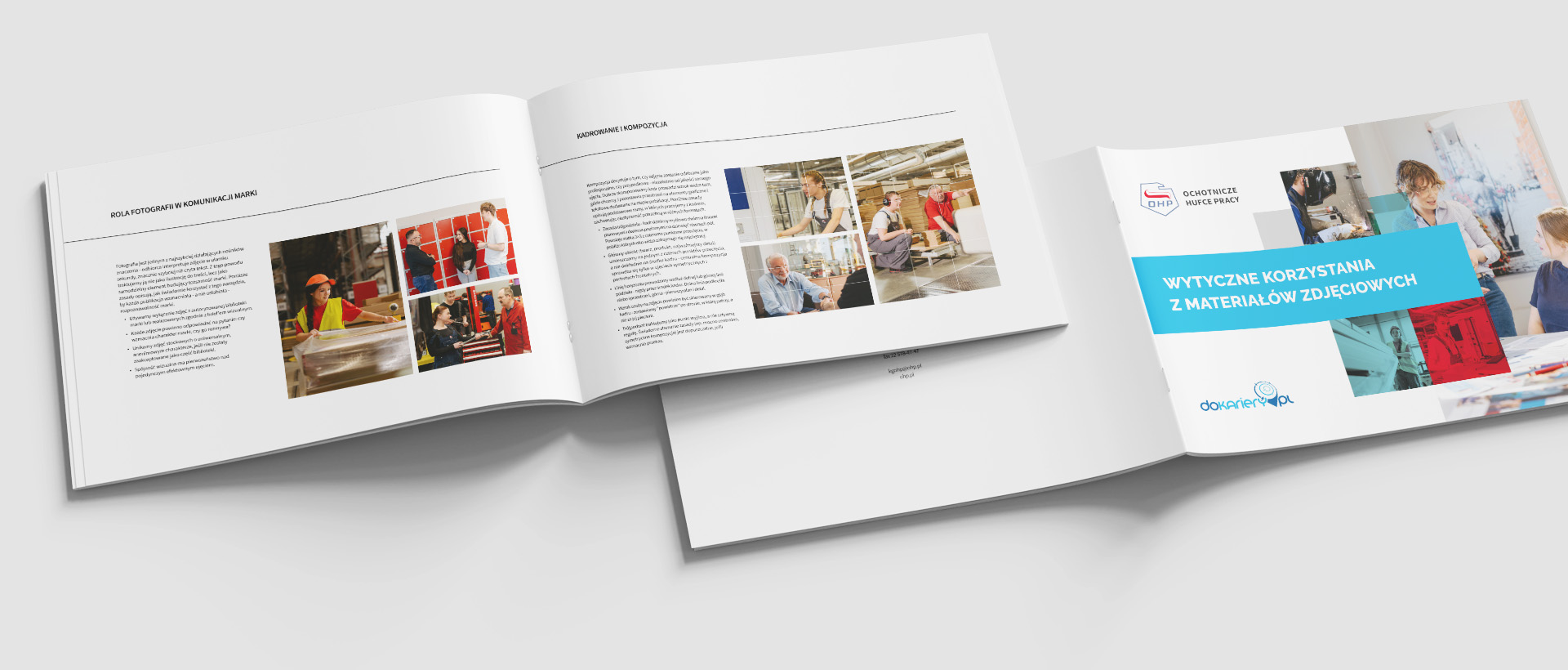
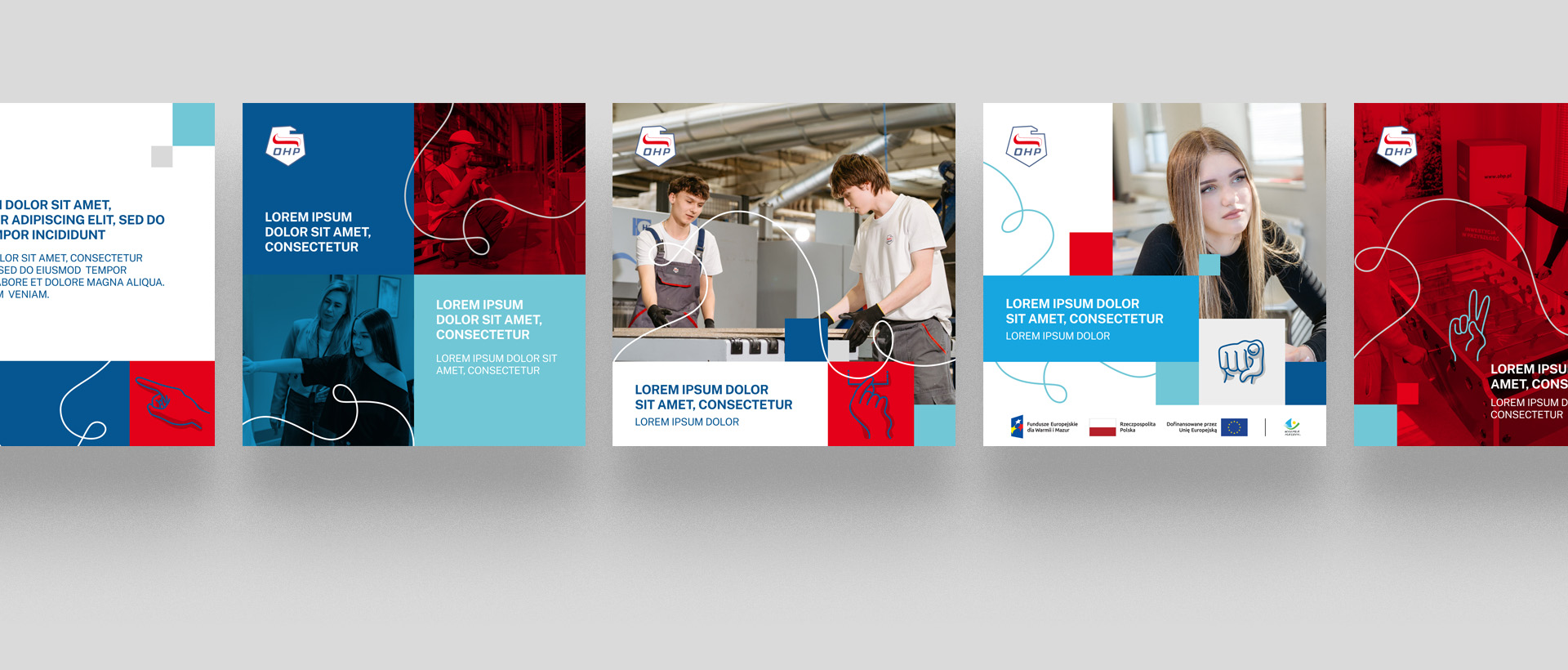
Having a massive photo library isn't enough if dozens of regional branches across the country need to use it. That’s why following the shoot, we developed a Communication System, a comprehensive Guidebook, and Figma templates. These assets empower local teams to produce their own materials independently while maintaining a unified visual logic and organization-wide brand consistency.
Two days for a photoshoot is not much time—especially when dozens of people need to step in front of the lens, the production spans multiple locations, and the final visual assets will be used by multiple regional branches across the country.
That was precisely our challenge when executing the photoshoot for the Voluntary Labour Corps (OHP).
From the start, we knew we needed more than just a set of good portraits. The images were destined for the OHP website, social media channels, recruitment collateral, publications, and ongoing communications managed by units across different provinces.
That is why our work began long before the day of the shoot.
First, we collaboratively defined what assets were truly needed. Then, we mapped those requirements into specific scenes, locations, and a tight production schedule. Following the shoot, we curated the selection for specific use cases and established guidelines and tools that allow teams nationwide to easily access and utilize the library.
Two days are enough if key decisions are made before the shoot
In a production of this scale, time on set runs out quickly. Every delay impacts subsequent scenes, and improvising with dozens of people usually takes far more time than expected.
That is why, before building the schedule, we had to answer several fundamental questions: where will the photos be published, who is the target audience, which areas of OHP’s operations do we want to highlight, and what is missing from their current visual media library? A recruitment post requires entirely different shots than a website homepage or a social media graphic created by a local team.
Only with this clarity can you effectively plan two days of shooting.
The schedule detailed specific locations, individuals, and scenes. We also pre-arranged consent forms, logistics, and designated point persons on the client’s side. As a result, everyone on set knew precisely who needed to be in front of the camera, how much time was allocated to each setup, and which essential shots had to be captured before moving to the next location.
However, the plan still required built-in flexibility. Working with a large group of participants means unexpected variables are bound to happen—someone arrives late, a room is temporarily occupied, a scene runs over time, or location conditions differ from what was assumed.
Solid preparation ensures you can adapt the sequence quickly without throwing off the entire day’s schedule.

Real locations and people connected with OHP
The scale of the project was also shaped by the nature of the organization itself. OHP works with youth, employers, local teams, and public institutions. While staging everything inside a studio would have offered greater control over the production, it would have revealed very little about their day-to-day reality.
Therefore, we shot in locations that naturally fit the story we were telling through the images. Local partners—including CKZiU and Fabryka Wójcik—also assisted in making the production possible.
Those stepping in front of the camera included youth, organizational staff, and OHP leadership. Each of these groups requires a slightly different approach.
When photographing young people in particular, what happens behind the camera is critical. Simply setting up the lighting and pointing out where to stand is rarely enough. When participants feel every pose is being judged, they become self-conscious and act differently than usual—resulting in stiff, unnatural images.
Achieving far better results comes down to calm direction on set, ongoing conversation, and giving participants time to grow comfortable with the photographer’s presence. That sense of trust directly translates into the final photos.
We had an advantage stemming from our previous collaboration. Having executed a large-scale photoshoot for OHP a few years prior, we were already familiar with both the organization’s nuances and how to guide its participants. For this second production, we leveraged that experience to run each scene more efficiently.
The momentum did not come from rushing people. It was driven primarily by the fact that on set, no one had to pause and figure out what to shoot next.
A natural photo begins with proper preparation
During our first large-scale shoot for OHP, we established a core rule that we returned to this time as well: we do not create a fictional world solely for the camera.
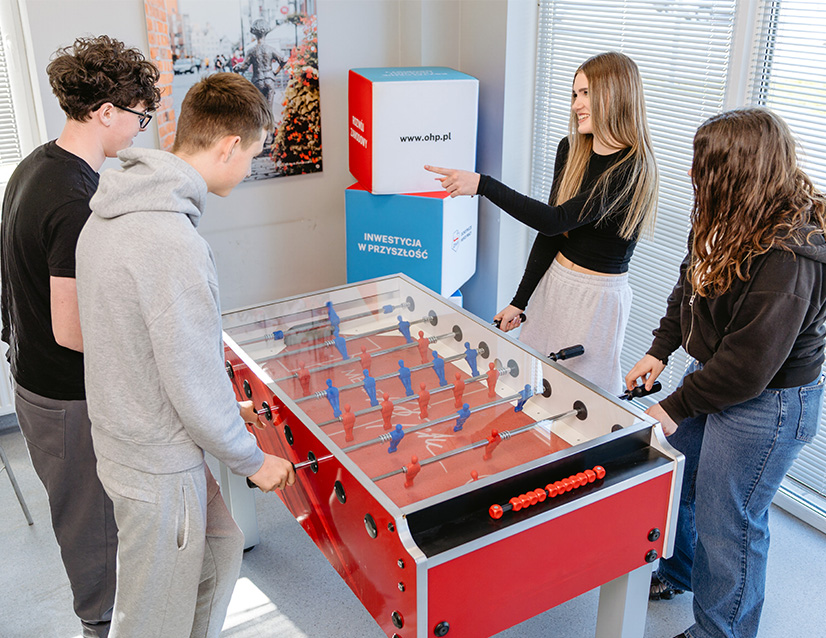
The photos feature real people connected to the organization. We utilize authentic locations and scenarios that are as close as possible to what participants encounter every day, keeping posing and artificial staging to a minimum.
For this approach to work, many details need to be sorted out in advance. Everyone knows where a scene takes place, who is participating in it, and why a specific shot is needed. This gives the photographer the freedom to observe what unfolds in front of the lens rather than spending time troubleshooting organizational issues.
That is precisely when space opens up for a genuine gesture, a glance, or a brief interaction that cannot be planned in a schedule.
After the shoot, we had several thousand photos. That was just the beginning of the selection process
Over the two days, several thousand photographs were taken.
The first phase of selection was standard: we removed technically weaker shots, accidental frames, repetitive images, or those that added little value to the overall collection.
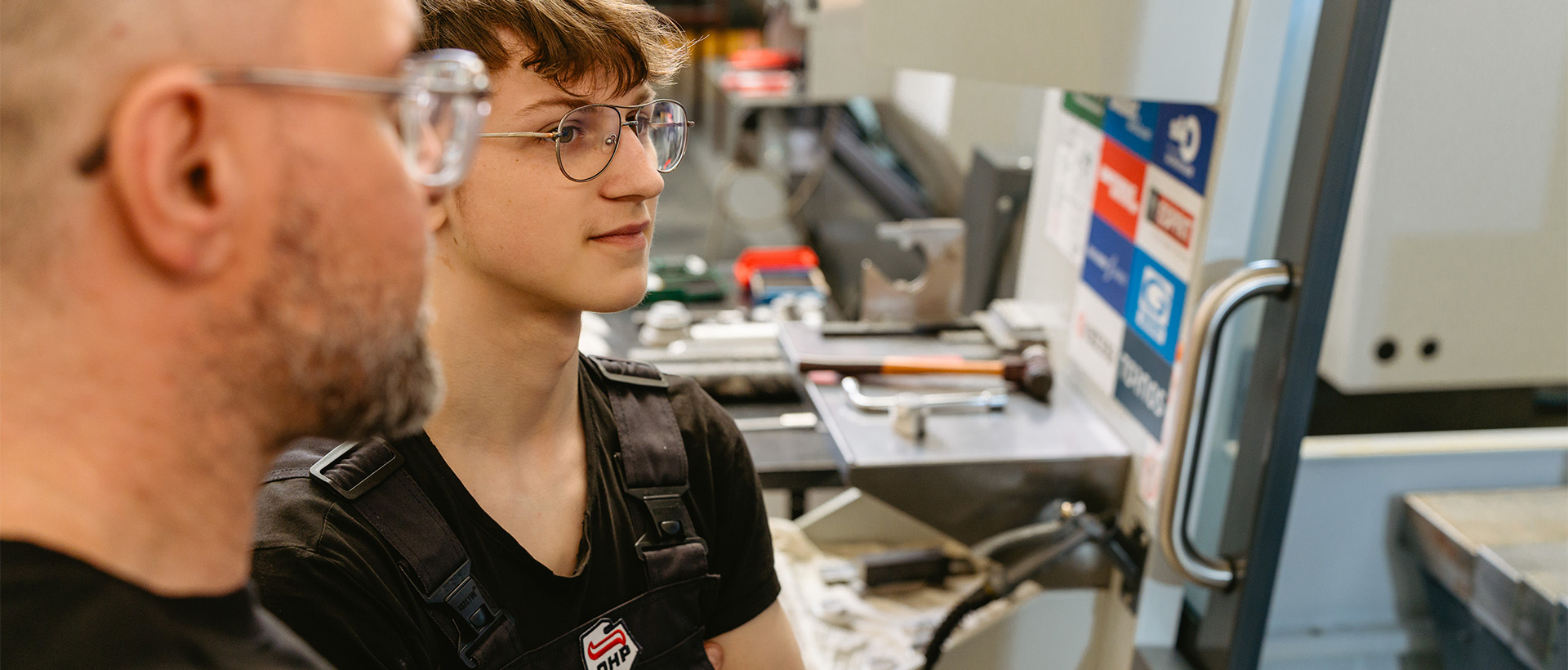
After that, we looked at the material from a different perspective, focusing on its future application. We evaluated whether a specific shot communicated something meaningful about OHP, showcased interpersonal relationships, and where it could realistically be used—considering the website, recruitment posts, and social media channels. Composition was also crucial: ensuring shots could be adapted vertically or horizontally, cropped effectively into a square, or left with copy space for overlaying text.
A photo that looks great on its own can often be difficult to integrate into a graphic design layout. A brand asset library needs to be far more versatile.
Therefore, we needed a mix of individual portraits, group shots, wide environmental angles, close-up details, action-driven scenes, and cleaner, quieter compositions that pair seamlessly with typography and layout design.
Only a comprehensive set like this provides designers and communications teams with true creative flexibility.
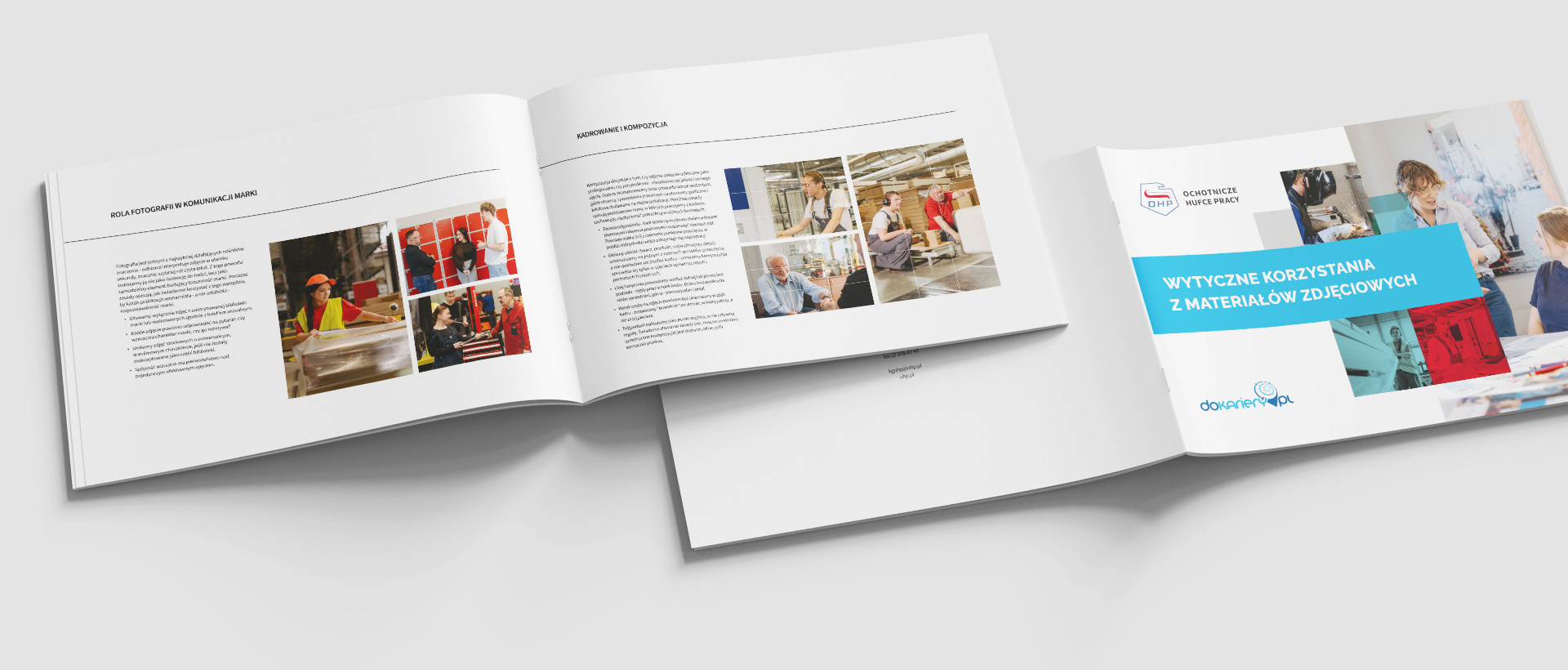
One photo library, many users relying on the visual assets
OHP operates across all of Poland, meaning marketing and communications are not managed from a single desk.
Materials are also produced by teams in regional headquarters and local units. One person posts an update about an event, another works on recruitment, and someone else needs an image for a recap story or a social media graphic promoting a local initiative.
With so many users involved, simply providing access to a shared drive of photos does little to maintain order.
Everyone might choose a different style of shot, crop it according to their own preference, and combine it with other design elements in a completely different way. Individual pieces might look decent on their own, yet it becomes difficult to recognize them as belonging to the same organization.
That is why the project did not end with just handing over the photo library.
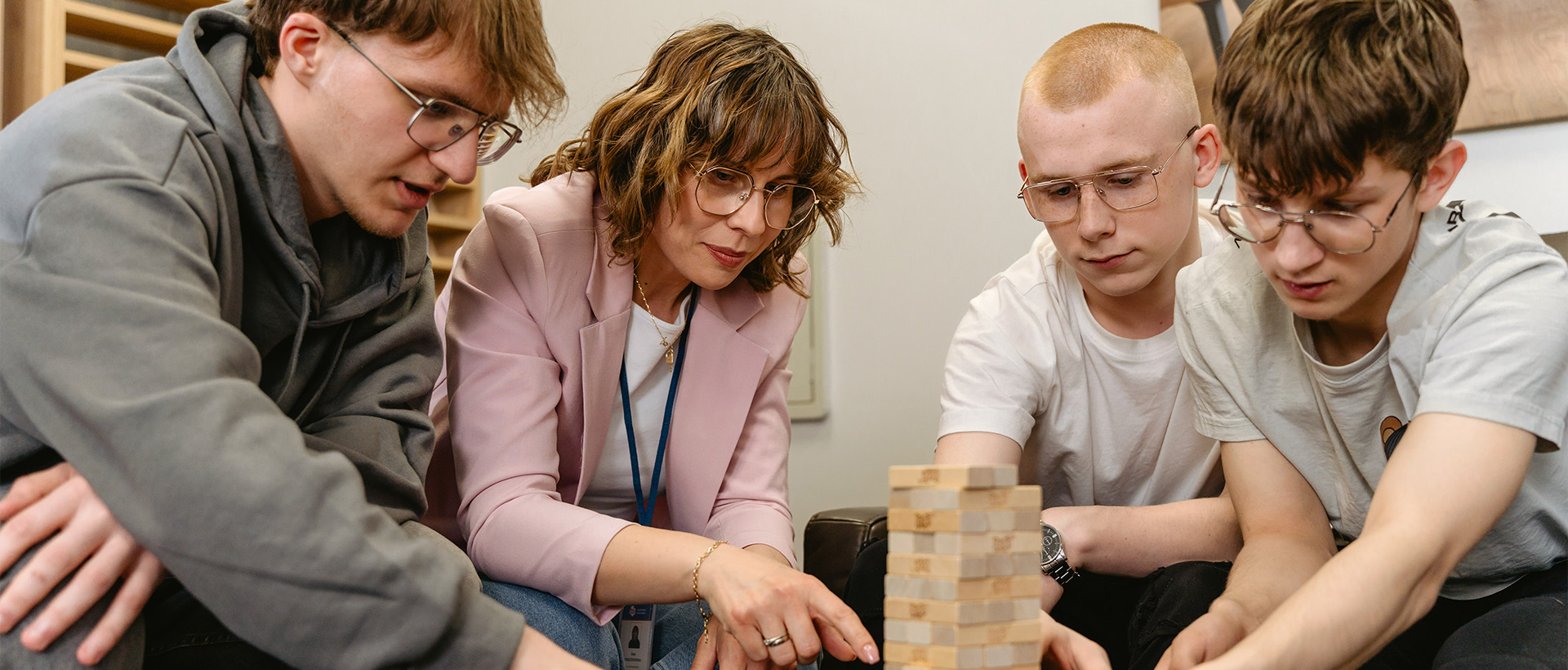
Consistency is built through everyday communications
For an organization operating nationwide, the brand is built every single day. It is showcased in major campaigns, but audiences encounter it just as often in posts about local events, recruitment graphics, recap stories, or presentations.
That is precisely why the way photos are utilized is so critical.
A custom photoshoot provides OHP with visual assets tailored specifically to the organization, featuring its own people and authentic spaces. The Guidebook and templates then help maintain a consistent approach to working with these assets across multiple regional branches.
As a result, the photos do not remain merely an archive from a single shoot. They become an active resource that teams can regularly rely on when producing future marketing and communication materials.
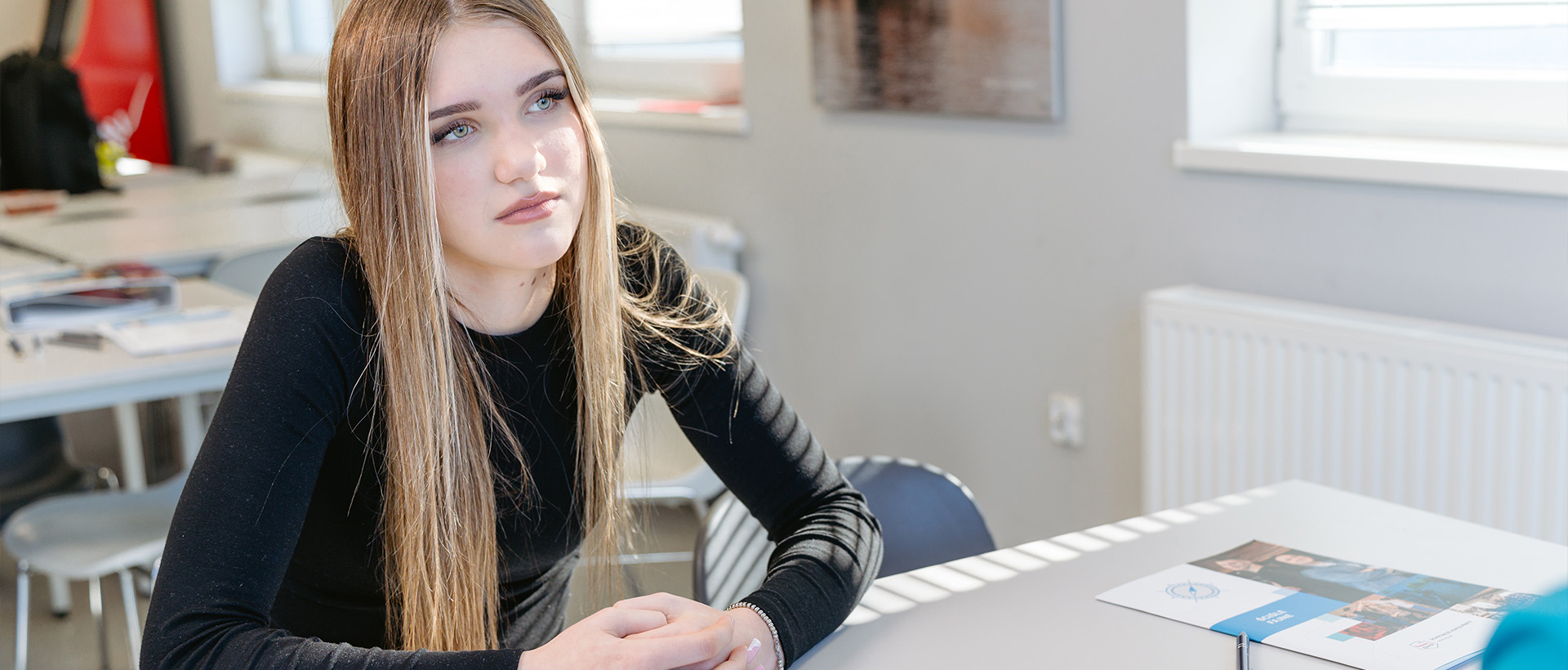
The shoot finishes on set. The work on the visual assets continues
The two days of shooting were the most visible part of the entire process, but the long-term utility of the material was determined just as much by what happened before and after.
Before the shoot, we defined the requirements, participants, locations, and scenes. We built a production schedule that accounted for a large number of participants as well as the need for flexibility during the day.
After the shoot, the photos underwent a rigorous selection process tailored to specific use cases. Following that, we developed the tools needed for team members who will work with the assets moving forward—long after the photographer and design team have stepped away.
This final stage often dictates how long a photoshoot remains genuinely useful.
A well-prepared photo library can serve an organization for years, provided it is easy to find what you need and everyone knows how to use it effectively.
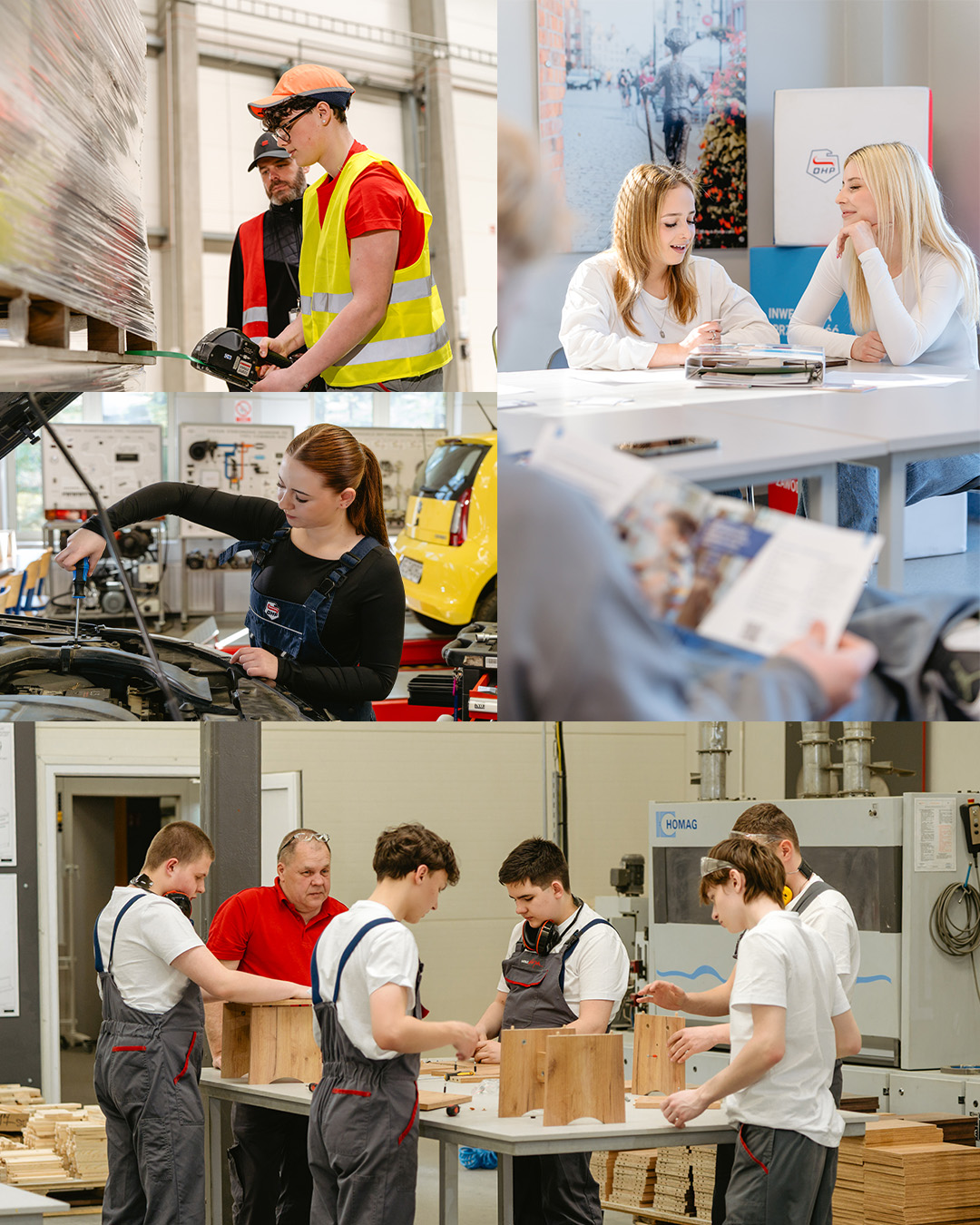
FAQ
Are two days enough for a large-scale organizational photoshoot?
Yes, provided that most production decisions are made in advance. Prior to the shoot, it is essential to define the required scenes, locations, participants, production schedule, and future intended uses of the images. The fewer fundamental decisions that need to be made on set, the more time remains for photography.
How do you prepare for a photoshoot with a large number of participants?
The key is a realistic schedule and efficient coordination on the client’s side. It helps to determine in advance who is involved in each scene, where the shots take place, and who serves as the main point of contact for each group. The schedule should also build in room for adjustments, as mid-day tweaks are completely normal in larger productions.
How do you make the photos look natural?
Authentic locations and real people connected to the organization make a significant difference. Scenes should directly relate to the familiar, everyday experiences of the participants. The photographer’s approach on set is equally crucial. When the atmosphere remains calm, participants naturally stop focusing on the camera and behave much more at ease.
Why isn’t it enough to simply hand over a folder of photos to the organization?
A vast photo library can actually complicate work if users don’t know what to look for. Clear guidelines regarding image selection, cropping, and integration with other design elements are essential. Without these rules, each regional team develops its own way of using the library, and over time, valuable assets can be completely overlooked.
How do you maintain consistent communication across multiple organizational branches?
You need ready-to-use resources that all teams can utilize in a unified way, paired with clear guidelines for daily workflows. For OHP, we developed a Communication System, a Guidebook, and Figma templates. These tools enable local teams to produce their own content while maintaining a shared visual identity and logic.
What should a photography guidebook include?
Ideally, it should answer practical questions for team members working with the assets. It should guide them through selecting the right image, cropping, and adapting photos to various formats. Practical examples showing when to choose an individual portrait versus a group scene—or where to leave copy space for text—are extremely useful. Above all, a guidebook should be a practical daily tool, not a document that gathers dust on a shelf.
How do you know if a photo is good for brand communications?
While aesthetics matter, you must also evaluate whether a photo serves a practical purpose. A strong shot should align with the story the organization tells and function effectively in the actual formats where it will be published: on the website, social media, advertisements, or recruitment materials. That is why, during selection, photos should be evaluated through the lens of a future designer or local social media manager.
How long can a well-planned brand photoshoot serve an organization?
Content from our previous large shoot for OHP was used effectively for several years. Over time, certain images became repetitive, communication formats evolved, and the organization required updated visuals of its people and locations. While a well-planned shoot can deliver value for a long time, its relevance should be periodically reassessed. A photo library needs to evolve alongside the organization and the ways it connects with its audience.
